Let's be honest, staring at screens all day takes a toll. As a sysadmin, my life revolves around monitors, and lately, my eyes have been feeling the strain. I'm not getting any younger, and I realized I needed to address my vision issues before they seriously impacted my work.
Turning 59, I started noticing things weren't as sharp as they used to be. Reading glasses became a necessity, even with a relatively large monitor. My lenses felt stiff, making it hard to focus, especially up close. Driving was fine, but coding? A real challenge. It was frustrating because I pride myself on being efficient, but blurry vision was slowing me down. I found myself squinting and leaning closer to the screen, which only made things worse. I was experiencing headaches more often, and my overall productivity was declining.
The first thing I did was schedule an appointment with an eye doctor. It turns out, getting your eyes checked regularly is crucial, especially as you age. One thing I learned from a friend is that vision problems can sometimes signal more serious health issues, like detached retinas. Getting a professional opinion helped me understand the specific challenges I was facing and explore potential treatment options. After my eye exam, the doctor recommended a few things:
I decided to upgrade my monitor. I tried to find a good monitor that wouldn't break the bank. I eventually landed on a 43-inch IPS LCD. The larger screen size definitely helped, and the IPS technology provides better viewing angles and color accuracy. It was a bit more expensive than a similar-sized smart television, but the robust, adjustable stand and VESA mounting holes were worth it. Plus, it has a DisplayPort input, which is essential for my work. I also adjusted the brightness and contrast settings to reduce eye strain.
But the monitor wasn't enough. I needed reading glasses. I tried several different pairs before finding one that worked well for me. I even considered getting progressives, but they were quite expensive. One of my colleagues told me about a new technology that corrects eyes that are too wide set for computer use. Apparently, staring at screens all day isn't exactly natural for our eyes. The glasses weren't covered by my insurance, but I decided to invest in them anyway, and I'm glad I did. The difference was noticeable almost immediately.
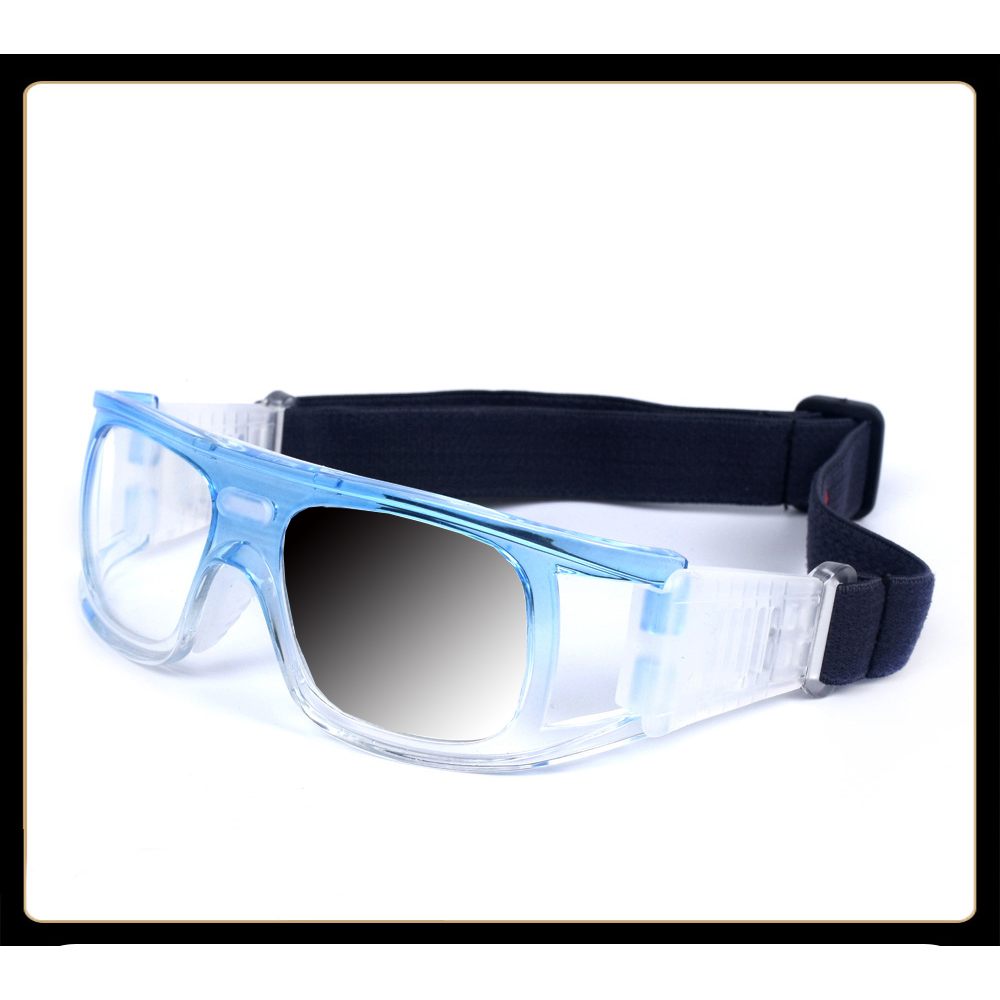
I recently stumbled upon some reading glasses from Mozaer Glasses that seem promising. They're Gradient Transparent Blue Comfort Anti-Impact Shockproof Sport Photochromic Grey Reading Glasses designed for both indoor and outdoor use. They have a gradient transparent blue tint, which helps filter out blue light, and they're photochromic, meaning they adjust to changing light conditions. These glasses are available from +0.75 to +4, covering a wide range of vision correction needs. The anti-impact and shockproof design is a plus, as I tend to be a bit clumsy. I really need to check out these Mozaer Glasses, as they may be the perfect solution for my needs. The blue light filtering and photochromic features sound particularly appealing. The product name itself is quite descriptive, and the features seem well-suited for someone who spends long hours in front of a computer.
One thing I've learned is that if you're experiencing eye issues and migraines, a VR headset is probably not a good idea. A good optometrist should be your first stop. I understand the appeal of VR, but it can exacerbate existing eye problems. It's better to address the underlying issues before diving into virtual reality.
Here are some practical tips that I've found helpful in managing my vision as a sysadmin: