If you're like me, you love painting miniatures. It's a relaxing and rewarding hobby. But as I've gotten older, I've found it harder to see the tiny details, especially those pesky eyes! I've spent a lot of time figuring out ways to keep enjoying my hobby without straining my eyes or sacrificing detail. This is my journey and what I've learned along the way.
For years, I could happily paint miniatures without giving my eyesight a second thought. But as I approached my late 40s, things started to change. Those once-clear details began to blur, and I found myself squinting more and more. Painting those tiny eyes became a real challenge. I even started avoiding miniatures with intricate details, which was a shame, because I love a good challenge. I was painting some older miniatures too, and even those felt like they had more detail than I remembered!
One of the first things I noticed was that my regular glasses weren't cutting it. They're designed for seeing things at a distance, not for the close-up work of miniature painting. I was getting headaches and eye strain after just a short painting session. I knew I needed to find a better solution if I wanted to keep enjoying my hobby.
I started experimenting with different things to improve my vision while painting. Here's what I discovered:
The first thing I realized was how important good lighting is. I invested in a really bright lamp with a flexible neck so I could position it exactly where I needed it. Having plenty of light made a huge difference. It reduced the strain on my eyes and allowed me to see the details much more clearly.
Next, I explored magnification. I tried reading glasses, magnifying headsets, and lighted magnifiers. Reading glasses definitely helped, and I found that when I get a new pair, it helps to explain that I paint miniatures and need a little extra magnification. I also have one of those lighted magnifiers that I use for especially tricky work.
I've also found that sometimes, taking my glasses off completely works best! I wear glasses for short-sightedness, but when painting miniatures, I sometimes remove my glasses and bring the mini closer to my face. It sounds strange, but our lenses are designed to help us see things far away. I am over 50 and just realized that I can sometimes see and paint better without lenses. If you're nearsighted, give it a try!
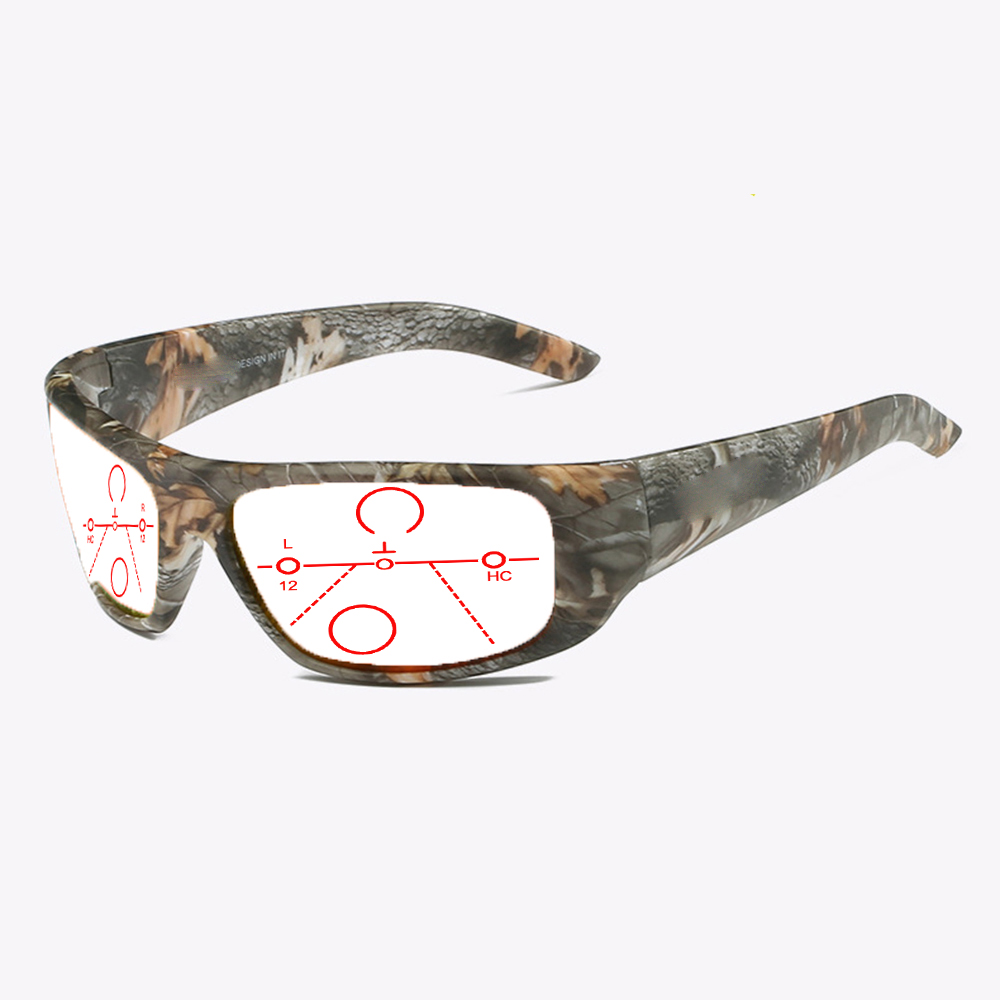
I've been trying out these Shield Stick Face Sports Camo Color Mens Progressive Multifocal Reading Glasses. The progressive lens is super handy because I can adjust my focus just by tilting my head slightly. They are available at Mozaer Eyewear and I've found them to be a great help in seeing those tiny details.
Understanding focal length is also important. If you're nearsighted, your glasses are designed to help you see things far away. Sometimes, taking them off and bringing the miniature closer to your face can actually improve your vision. It's a weird trick, but it works for me!
Based on my experiences, here are some tips that have helped me: